Chessfire: Shotgun Chess
Lumid Labs UG (haftungsbeschränkt)
Screenshots
About this app
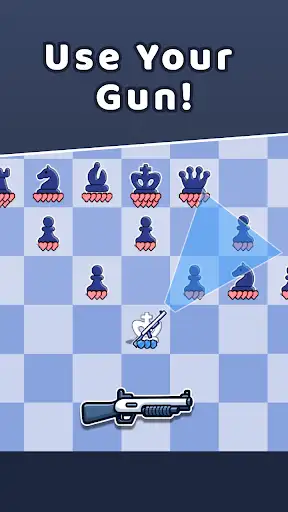
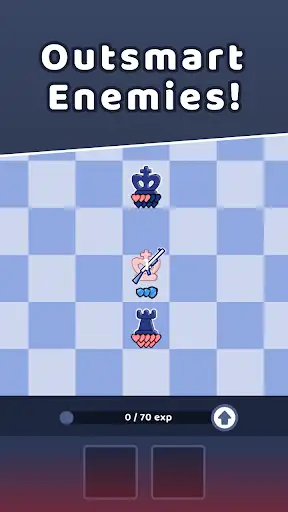
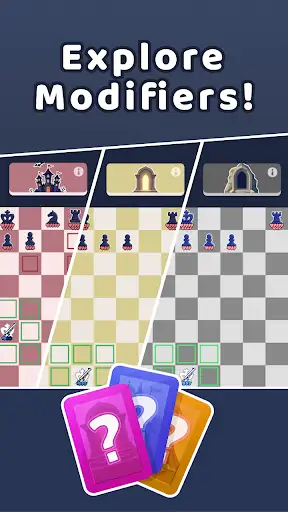
You play one piece: the King. But this King carries a shotgun. Move like chess. Shoot like chaos. Enemy pawns, knights, bishops — they all keep their classic moves, but now they try to corner you while you blast them out of the board. Quick start: tap or swipe (or use the on-screen D-pad) to move your King one square like old-school chess. Aim with a simple flick or button and fire; shotgun spread, short range, big teeth. Timing is everything. You wait. You move. You shoot. Recharge, upgrade, repeat. Who is this for? Not for folks expecting a slow, polite endgame. This is for people who enjoy chess puzzles but hate waiting around for a stalemate. Puzzle-lovers who also like to panic a little. Speedy thumbs. Rage-quitters (yes, I see you). Casual players who want short rounds. Hardcore players who want leaderboards and bragging rights. Features you’ll use (and argue about): level-based chess puzzles where victory comes from zoning and shotgun timing; enemy behavior that strictly follows chess rules (so knights still hop, pawns still march); an upgrade tree for spread, reload, armor, and quirky perks (think: cartilage-forged King vibes). Global leaderboards keep the ego warm. “Dude—did you just miss a checkmate because you had to reload?” "Yep. Twice." Pause. Think about that: a game that makes chess feel like a hectic bar fight. It’s not polished like a studio AAA chess-simulator. It’s loud. It’s a little unfair sometimes. But that’s the point. You learn pattern recognition the hard way—through flash and singe. If some details above sound thin, that’s because the devs lean into minimalism: rules are simple, challenges scale, and the story is mostly attitude. If you want full-blown campaign lore, this might not be your forever chess. But if you want quick, weird, surprisingly deep chess-based firefights? Don’t sleep on this one.
Editor's Review
I did not expect to laugh at a chess game. Then again, I didn’t expect a King with a spread-shot either. I’ve spent evenings (and one terrible 2 a.m. session) getting cornered by a pawn chain while my thumbs went cold from panic. Real talk: I got stuck on Level 7 for two hours. Two. Hours. My hands sweat. My cat judged me. The joy here is honest and small. It’s the stupid glee when a knight hops into shotgun spray and flies off the board. It’s the sting when you misjudge a pawn push and suddenly it’s check—except now it’s check with blood spatter. Controls? Tight enough. Not perfect. The aiming sometimes feels blunt (don’t expect pin-point sniping), but that’s balanced by the shotgun’s chaos — and the upgrades help patch that hole. Dialogue, because why not: "You’re down to one HP—run!" "Nope. I’m chasing the bishop." I’ll call out a couple of things that bothered me: the difficulty spikes can feel sudden, and some visual effects (lots of sparkles) occasionally hide tiny enemy sprites at critical moments. Also, leaderboards are motivating, but matchmaking feels shallow — you’ll probably face puzzle-level high scores rather than live opponents. Still — and this is important — the game nails a specific mood: frantic, absurd, oddly tactical. It’s not trying to be the last word in chess innovation. It’s trying to be a weird, replayable snack of chaos, and it mostly succeeds. If you like puzzles with a pulse and don’t mind a little unfairness, you’ll be back for one more run at 3 a.m. (trust me).
Pros
- Fresh mash-up: classic chess movement with frantic shotgun combat creates unique tactical puzzles
- Short rounds designed for quick pick-up-and-play sessions or late-night obsession
- Upgrade tree gives meaningful choices—spread, reload, armor, and oddball perks change how you approach boards
- Visual effects make kills feel punchy and satisfying (good for highlight clips)
Cons
- Difficulty spikes can feel abrupt—expect runs to end suddenly
- Shotgun aiming lacks fine precision; misses feel punishing at higher levels
- Some flashy effects occasionally obscure small enemy pieces in the chaos
- Leaderboard and matchmaking systems are basic and could use more social features
Additional Information
You May Also Like